How to pick and use a trap type beat like WHO for your next rap track
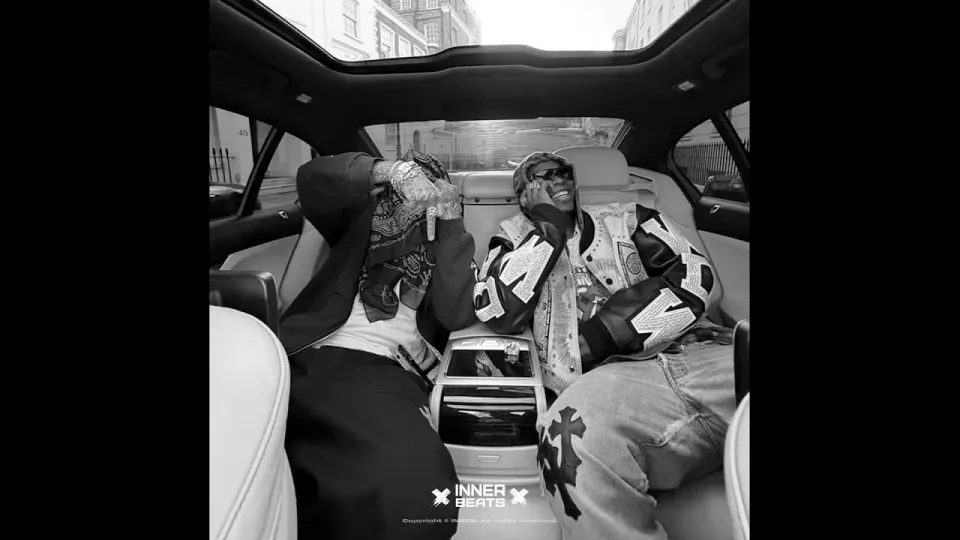
Video: "WHO" | Trap Type Beat | Freestyle Beat | Type Beat | Hard Type Beat | Rap Type Beat 2026
Want articles like this for your own video to promote it on YouTube and Google? Order them through the Telegram bot @sat_sit_bot. Articles with your video embedded are written and posted by the bot itself — on popular topical sites (no ads). Try it free: 50 articles on us.
· based on the channel INNER BEATS
A type beat is an instrumental built in the style of a known artist or scene, sold or given away for other rappers to write to, and "WHO" from the producer INNER BEATS is a working example: a hard trap instrumental at 171 BPM in C minor, offered with a free download and license option at the producer's BeatStars page. Pick it up, check the license tier that fits your release, and treat the tempo and key as fixed constraints for your writing and mixing.
What a type beat is and why the WHO instrumental fits the format
A type beat is a finished instrumental that imitates a recognizable production style, so a rapper can hear the pocket immediately and write without waiting for a custom session. "WHO" follows the standard hard trap template: 171 BPM, C minor, a dark melodic loop, heavy 808s and a drum pattern that leaves deliberate gaps. The tempo is fast for trap but lands in the double-time feel that lets you rap in half-time, so a 16-bar verse can sit comfortably over roughly 20 seconds of the beat. C minor is one of the most common keys in rap because the root sits low enough for 808s and the relative major (E-flat) gives melodic hooks an easy lift.
The structure listed by the producer is short and repeatable: hook, verse, hook, verse, outro. That layout matters when you write, because a two-verse song over this beat will run around two minutes unless you double the hooks or add a bridge.
How to download and license the beat without breaking the rules
Licensing is the step most rappers skip, and it is the one that decides whether your song can stay online. The producer's own terms are explicit: you may not profit from a song built on this beat, including uploading it to streaming services, until you buy a license that matches your use.
- Open the download and license page at https://bsta.rs/15OHhT and choose the tier that matches your plans (free or tagged use, lease, or exclusive).
- Keep the receipt and the license PDF; distributors and copyright claims often ask for proof.
- Do not register the song with BMI, ASCAP, WIPO, OMPI or any other collection society, and do not enroll it in Content ID, unless you hold an exclusive license.
- Credit the producer as agreed in the license, typically "prod. inner" in the title or description.
A lease is usually limited by streaming numbers, sales and performance income, so read the numbers rather than assuming the cheapest tier covers a full release. If the song starts to earn, upgrade the license before you pass the cap.
How to write and record over a 171 BPM beat in C minor
The tempo tells you how to count: at 171 BPM a standard 16-bar verse takes about 22 seconds, which is why the producer's sections move quickly. Most rappers ride this kind of beat in half-time, treating the hi-hats as double-time decoration and landing punchlines on the snare.
- Count the hook as 8 bars and each verse as 16 bars; that matches the structure in the instrumental.
- Use the silences as part of the arrangement. Sparse sections are where ad-libs and one-liners hit hardest, and listeners notice when a verse fills every gap.
- Stay in C minor melodically. If you hum a hook, the notes C, E-flat, G and B-flat will sit naturally against the loop.
- Record at least three takes of each verse and keep the one with the best pocket rather than the cleanest diction; energy matters more than perfection on a hard trap beat.
For mixing, high-pass your vocals around 100 Hz so the 808 has room, and sidechain or automate the vocal slightly where the bass hits hardest. A short plate reverb on ad-libs and a slap delay on the last word of every four bars is enough movement for this style.
Common questions rappers ask before using a free trap beat
Three doubts come up again and again around free type beats. First, whether a free download is really free: usually the beat is free for non-profit practice, but any release needs a paid license, and the producer's page states this directly. Second, whether you can monetize a song on YouTube or Spotify with a lease: yes, within the limits written in that lease, and the producer must be credited. Third, whether the beat is "too recognizable": a type beat imitates a style, not a specific song, so as long as you write original lyrics and do not imitate another artist's vocal performance, you are on solid ground.
A practical test before you commit: record a 30-second reference, listen on phone speakers, and check whether your voice cuts through the 808. If it does not, the beat is not the problem, the arrangement is.
Where to find INNER BEATS and follow new drops
The producer behind "WHO" publishes beats and license links through a few channels, and following them is the fastest way to hear new instrumentals before they circulate. The main download and license page is https://bsta.rs/15OHhT, Instagram is https://www.instagram.com/prod_by_inner/ and Telegram is https://t.me/prodbyinner. For business enquiries the contact address listed with the beat is beatsinnerpls@gmail.com. New hard trap and dark trap instrumentals typically appear with tempo and key in the description, which saves you a session of counting bars.
How to release a song built on a type beat step by step
Releasing is a sequence, and doing it in order prevents takedowns. Render your final mix at 24-bit WAV, keep the instrumental and acapella stems, and name files clearly with the beat title and your artist name.
- Confirm your license tier covers the planned release and keep the document.
- Register the song with your distributor, crediting the producer in the metadata where the platform allows it ("prod. inner").
- Do not submit the recording to Content ID or a collection society without an exclusive license.
- Save the beat page link and license date; if a claim appears, respond with the license rather than disputing blindly.
- Plan a short rollout: a snippet over the hook, then the full track, then a freestyle or remix version over the same beat if the response is strong.
The bottom line on the WHO type beat
"WHO" is a straightforward hard trap instrumental at 171 BPM in C minor with a hook-verse-hook-verse-outro structure, built for rappers who want space in the arrangement. Get it through the free download and license page, read the tier limits before you upload anything, and write to the silences rather than over them. The video breakdown and the beat itself come from the channel INNER BEATS, which is also where the tempo, key and structure details originate. Treat the license as part of the production budget, not an afterthought, and the track can stay online as long as it earns.
Key takeaways
- "WHO" by INNER BEATS runs at 171 BPM in the key of C minor.
- The beat is split into two hooks, two verses and an outro, with the first hook starting at 0:02.
- A free download and license link is provided by the producer at bsta.rs/15OHhT.
- You must buy a suitable license before releasing a song on streaming services.
- Registering a song with BMI, ASCAP, WIPO, OMPI or Content ID requires an exclusive license.
Questions & answers
Can I release a song over a free type beat on Spotify?
Not on the free tier alone. A free download is normally for practice or non-profit use, and the producer of "WHO" states that any release to streaming services requires a purchased license. Choose a lease or exclusive tier that covers your expected streams and sales before you upload.
Do I have to credit the producer when I use a type beat?
Yes, in almost every lease. Credit is usually written as "prod. inner" in the track title or description, and some licenses also require a link to the producer's page. Check the exact wording in the license document you receive.
Can I register my song with BMI or Content ID if I bought a lease?
No. Registering with BMI, ASCAP, WIPO, OMPI or any Content ID system is reserved for exclusive licenses, because those systems claim ownership or administration of the composition. A lease lets you distribute the song within its limits but does not transfer those rights.
Is 171 BPM too fast to rap over?
It is fast on paper but comfortable in practice because most rappers ride this kind of trap beat in half-time, so the perceived tempo is closer to 85 BPM. A 16-bar verse lasts roughly 22 seconds, which keeps the song short and punchy.
Source: "WHO" | Trap Type Beat | Freestyle Beat | Type Beat | Hard Type Beat | Rap Type Beat 2026 · Markdown version